
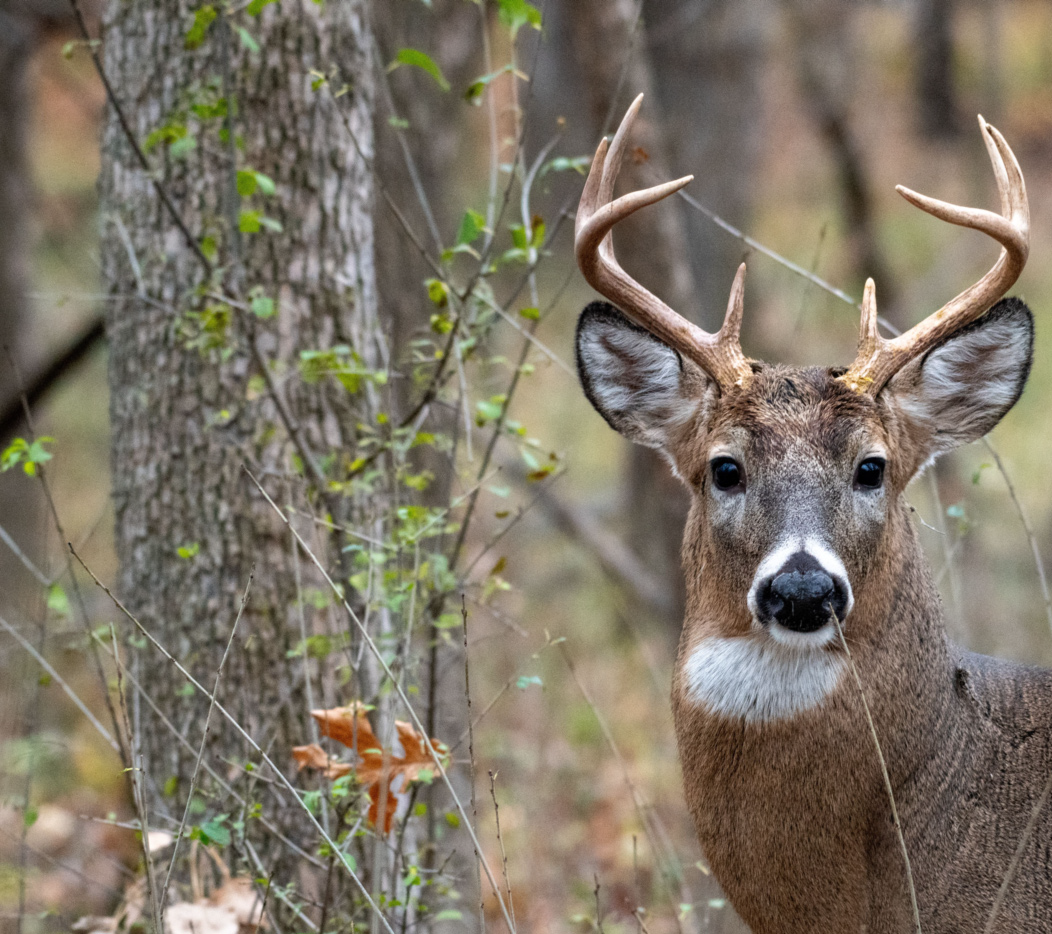
With hunting season approaching, the U.S. Department of Agriculture has launched a New World screwworm web page written for hunters, wildlife professionals and others who spend time in the field, the Alabama Department of Agriculture and Industries said this week.
New World screwworm is a parasitic fly whose larvae burrow into the flesh of living animals and feed on living tissue. It can infest livestock, pets, wildlife and, less commonly, people.
Wildlife can spread the pest over wide areas and across state lines, and USDA is asking hunters to stay alert for unusual wounds, abnormal behavior or signs of distress in animals and to report them early.
USDA confirmed the first U.S. case in nearly 60 years in June in a calf in Zavala County, Texas. The cases confirmed since then have been in cattle, sheep, goats and dogs in Texas and in one dog in New Mexico, and USDA says the current risk to animals and people in the United States is very low.
The screwworm fly is about the size of a housefly, with orange eyes, a metallic blue-green body and three dark stripes on its back. The flies are drawn to open wounds, including tick bites, where they lay hundreds of eggs, and may also be drawn to antler bases after shedding and to mucous membranes.
Hunters should look for maggots on live or freshly dead animals or in wounds, noses, ears, genitalia or the navels of newborns; wounds with bloody discharge and a foul odor; and animals that are in pain, lethargic or agitated.
Anyone who sees signs of screwworm should call USDA Wildlife Services at 866-487-3297 as soon as possible, record the location, take photos of the wounds and larvae if possible, and not handle or transport the animal.
Hunters can protect themselves by keeping wounds clean and covered, using an EPA-registered insect repellent and clothing and gear treated with 0.5 percent permethrin, sleeping under screens or bed nets outdoors, and checking harvested animals and themselves for larvae after a hunt. Anyone who finds maggots in or on a wound should contact a health care provider immediately.
The hunters’ page, a fact sheet and a wallet card are at screwworm.gov.